

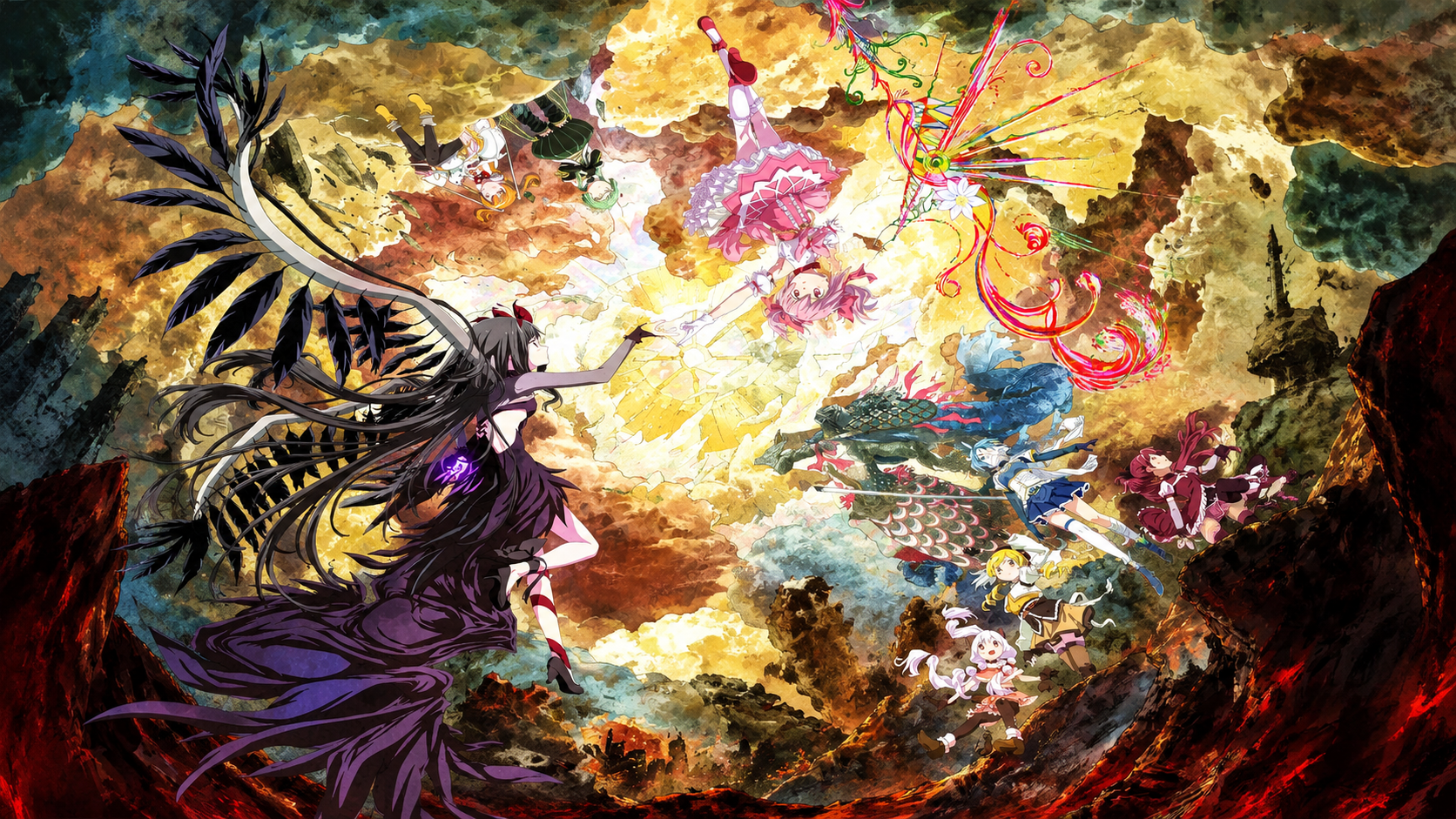
The long-awaited continuation of the Mahou Shoujo Madoka☆Magica franchise finally reached fans through special screenings of Mahou Shoujo Madoka☆Magica Movie 4: Walpurgis no Kaiten, also known as Puella Magi Madoka Magica the Movie: Walpurgisnacht: Rising. The film was screened at Golden Village Suntec in Singapore on October 31 and November 1, 2026, with the fan screenings drawing an enthusiastic response from audiences eager to return to the franchise’s dark and emotionally complex world.
As the fourth movie in the Madoka Magica film series, Walpurgisnacht: Rising carries the weight of continuing a story that has consistently challenged the conventions of the magical girl genre. Rather than offering a simple continuation, the film takes viewers into an increasingly complicated narrative filled with unexpected revelations, psychological conflict, and questions about identity, memory, and the consequences of past decisions.
However, the film’s ambitious storytelling also comes with challenges. Its numerous plot twists and frequent flashbacks—particularly those involving Akemi Homura and alternate versions or clones of herself from other worlds—make the narrative difficult to follow at times. While these developments contribute to the film’s mystery, viewers may need to pay close attention to understand how its different timelines and character perspectives connect.
A Story Filled With Twists and Shifting Realities
One of the most noticeable aspects of Walpurgisnacht: Rising is how frequently the story changes direction. Just when the audience begins to understand the circumstances surrounding the characters, another revelation introduces new questions or changes the meaning of what came before.
The film places considerable emphasis on Homura’s memories and her connection to other versions of herself. These flashbacks are not merely reminders of previous events; they play an important role in shaping the movie’s central conflict. The existence of different versions of Homura creates a more complicated picture of her identity, while also reinforcing the emotional burden she carries.
This approach is consistent with the franchise’s history of exploring time loops, alternate realities, and the consequences of magical power. Nevertheless, the number of twists can sometimes make the story feel overwhelming. Rather than allowing every revelation to settle, the film frequently introduces another layer of mystery, leaving viewers to piece together the narrative as it unfolds.
For longtime fans, this complexity may be part of the appeal. The film encourages discussion and interpretation, particularly regarding Homura’s motivations and the relationship between the different versions of herself. For viewers expecting a more direct continuation of the previous story, however, the constant shifts may require additional patience.
Akemi Homura’s Disappointment and Conflict With Kyuubey

At the heart of the movie is Akemi Homura’s growing disappointment toward Kyuubey. The conflict reflects the emotional damage caused by the system surrounding magical girls and the consequences of the choices that have shaped Homura’s life.
The tension becomes especially clear when the magical girls gather in one place. Their meeting brings several characters and perspectives together, allowing the film to explore the differences between their motivations and experiences. The gathering also creates an opportunity to highlight Homura’s increasingly complicated relationship with the other magical girls.
Homura’s frustration is not presented as a simple disagreement. It is tied to her accumulated memories, her understanding of the magical girl system, and the emotional consequences of everything she has endured. Her disappointment toward Kyuubey becomes a major source of tension, giving the film a psychological dimension that extends beyond its supernatural conflicts.
This emotional focus is one of the movie’s strongest elements. Even when the plot becomes difficult to follow, Homura’s internal struggle provides a central thread for the audience. Her actions and reactions encourage viewers to consider how much of her identity has been shaped by repeated suffering and the burden of carrying memories that others may not share.
The Magical Girls Gather Again
The scenes in which the magical girls gather together are among the film’s most significant moments. Bringing these characters into one place allows the story to revisit familiar relationships while also introducing new tensions.
Each character carries a different perspective on the events surrounding them, and their interactions help emphasize how much the franchise’s world has changed. The gathering also gives the film room to explore the consequences of Homura’s actions and the way those actions affect the other magical girls.
Rather than focusing exclusively on action, these scenes place greater emphasis on character dynamics and emotional conflict. The conversations and confrontations help establish the stakes of the story, particularly as Homura’s feelings toward Kyuubey become increasingly difficult to separate from her relationships with the others.
The film’s dramatic approach may not provide immediate answers to every question, but it builds an atmosphere of uncertainty that fits the franchise’s established tone. The magical girls’ reunion becomes less a moment of comfort and more an opportunity for unresolved conflicts to come to the surface.
Introducing Chouka Shi and New Character Relationships
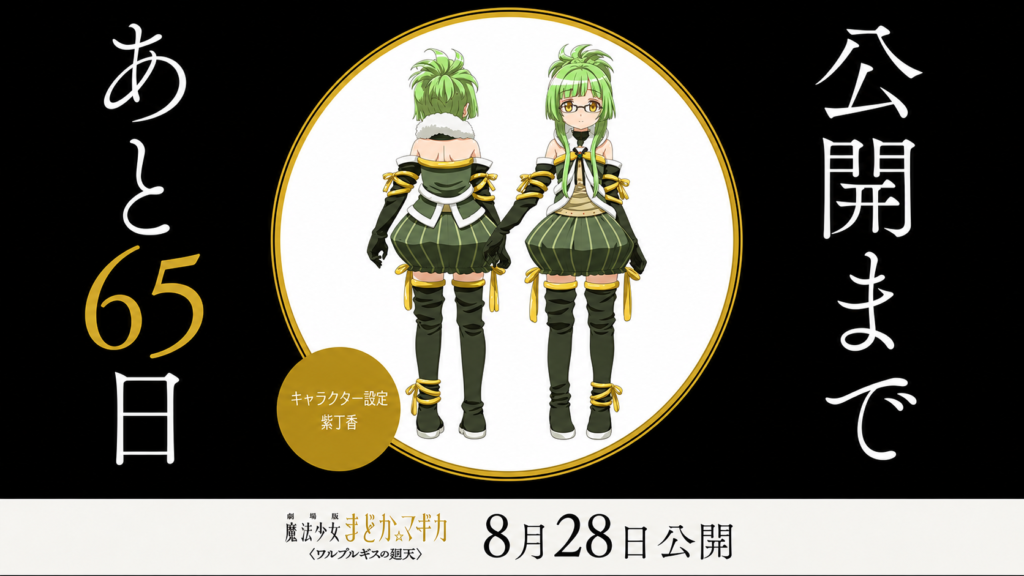
Alongside its returning characters, Walpurgisnacht: Rising introduces new figures, including Chouka Shi. Her presence adds another layer to the film’s already extensive cast and helps expand the relationships within the Madoka Magica universe.
Chouka is portrayed as being particularly close to younger characters, especially Therese Selma and Momoe Nagisa. Their relationships offer a different emotional dynamic from the film’s heavier conflicts, with the younger characters still attending junior high school.
These interactions provide a contrast to the movie’s darker themes. While Homura’s story is dominated by despair, memories, and resentment, Chouka’s connections with the younger characters introduce another perspective on companionship and closeness. Their presence also raises questions about how the newly introduced characters fit into the broader narrative and what role they may play in the franchise’s future.
The introduction of Chouka and the other new characters is an intriguing development, although the film’s dense storytelling leaves several aspects of their roles open to interpretation. Their relationships may become clearer as audiences continue discussing the movie and examining its details.
Visual Presentation and the Franchise’s Dark Atmosphere
The film continues the distinctive atmosphere that has become a defining feature of Madoka Magica. Its world balances the familiar magical girl aesthetic with an unsettling sense of psychological instability. The contrast between the characters’ appearances and the darker circumstances surrounding them remains central to the franchise’s identity.
The shifting realities and alternate versions of Homura also contribute to the film’s overall sense of unease. The narrative’s uncertainty is reflected in its presentation, making it difficult for viewers to feel completely secure in their understanding of what is happening.
This atmosphere works particularly well alongside the film’s emotional themes. Homura’s despair and disappointment toward Kyuubey are not isolated character traits; they are connected to a world in which memories, identities, and reality itself can become unstable. The result is a movie that aims to make audiences question not only the story’s events, but also the meaning behind them.
Verdict: An Ambitious but Complicated Continuation
Puella Magi Madoka Magica the Movie: Walpurgisnacht: Rising is an ambitious continuation of the franchise, placing Akemi Homura’s emotional conflict at the center of a story filled with alternate realities, flashbacks, and unexpected twists.
Its biggest strength is the way it explores Homura’s disappointment toward Kyuubey and the emotional consequences of her experiences. The gathering of the magical girls adds further dramatic weight, while the introduction of Chouka Shi and her relationships with younger characters expands the film’s cast and dynamics.
At the same time, the movie’s constant plot twists and complicated flashbacks can make it difficult to follow. The alternate versions of Homura and the shifting narrative perspectives may leave some viewers searching for clarity, especially when several revelations arrive in quick succession.
Despite these challenges, Walpurgisnacht: Rising offers plenty for longtime fans to discuss and analyze. Its Singapore fan screenings at Golden Village Suntec on October 31 and November 1, 2026, provided an exciting opportunity for audiences to experience the film together. For viewers invested in Madoka Magica’s characters and its darker approach to the magical girl genre, this latest chapter is a compelling—and potentially discussion-worthy—cinematic experience.
A twist-heavy and emotionally intense continuation that deepens Homura’s story while leaving audiences with plenty of questions. Its complexity may be overwhelming at times, but that same ambition makes the film an intriguing entry in the Madoka Magica saga.





Leave a Reply