
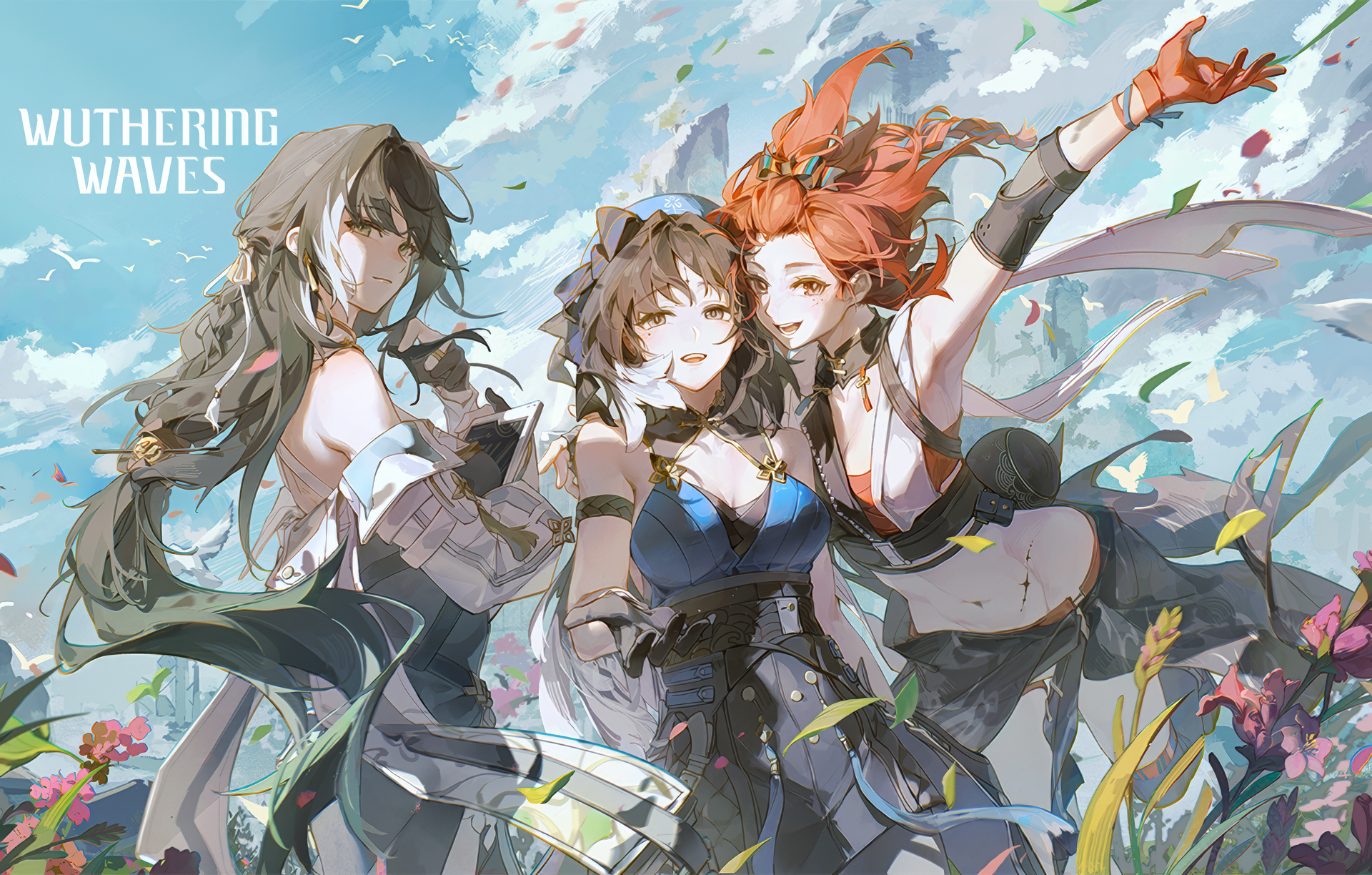
Wuthering Waves has once again become a hot topic within the gaming community after its latest rhythm event drew comparisons to AVICII Invector and Invector: Rhythm Galaxy.
The controversy gained even more attention after Hello There Games publicly stated that they had received numerous reports from players regarding the similarities. According to the studio, they never provided official licensing or permission related to the use of the gameplay concept being discussed by the community.
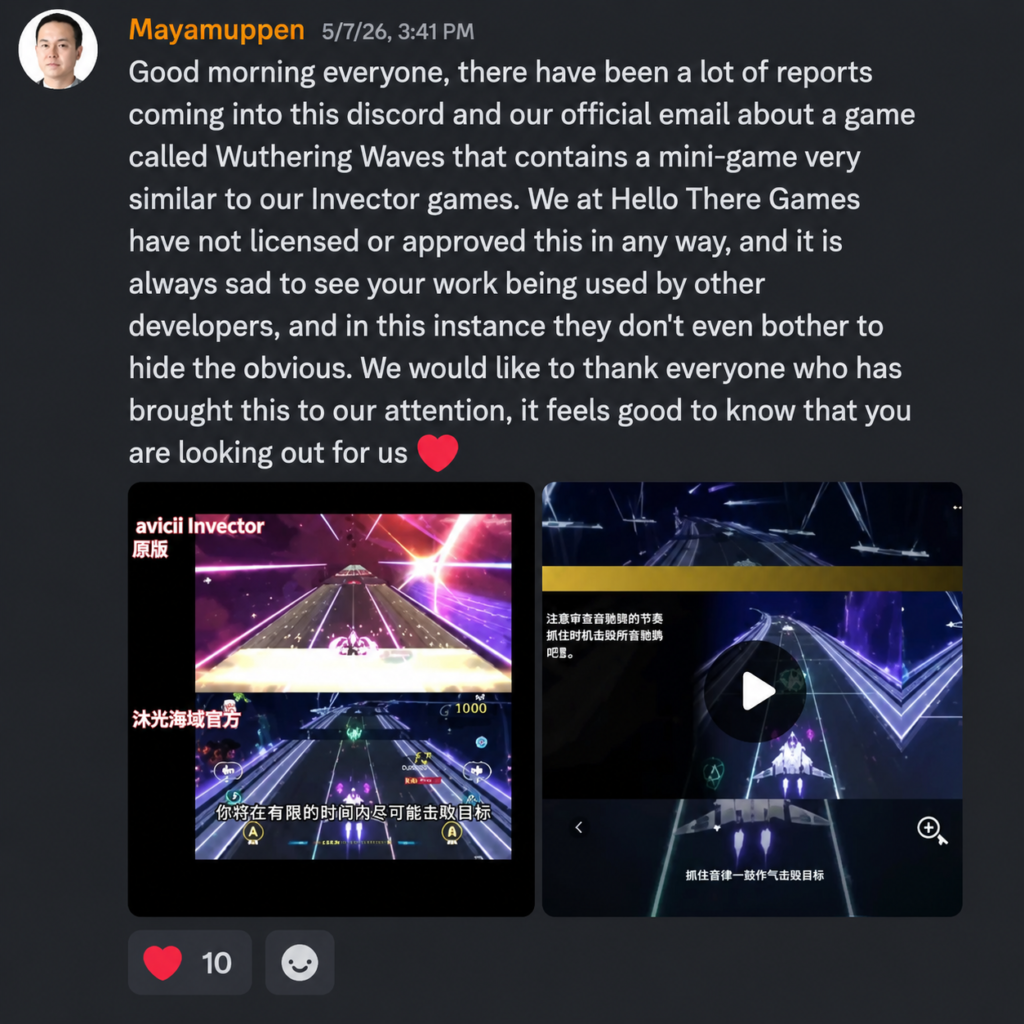
Many rhythm game fans have highlighted several elements they believe closely resemble the Invector series, including:
futuristic rhythm tracks
lane-switching mechanics
visual presentation of the music highway
and even the triangle-style gameplay mode
Because of these similarities, discussions quickly spread across social media platforms and gaming forums, with players debating whether the event crosses the line between inspiration and imitation.
On the other hand, a portion of the community has defended Wuthering Waves by pointing out that the rhythm mode is only a temporary limited-time event rather than a permanent core gameplay feature. Supporters argue that many live-service and gacha games regularly experiment with mini-games inspired by other genres in order to keep content fresh and entertaining for players.
Interestingly, this situation reflects a larger trend currently happening across the gacha gaming industry. In recent years, many modern gacha titles have introduced temporary event modes heavily inspired by popular games from other genres, ranging from rhythm games and racing titles to survival gameplay and party-style mini-games.
The debate ultimately raises a broader question within the industry: when does “inspiration” become too similar to the original concept?
Some players believe borrowing gameplay ideas for limited events is acceptable as long as the implementation feels unique enough and does not directly copy assets or designs. Others argue that even temporary content should still respect originality and proper licensing, especially when the similarities become immediately recognizable to fans of the original games.
For now, the discussion surrounding Wuthering Waves continues to divide opinion, while also highlighting the increasing overlap of ideas in modern live-service game development.


Leave a Reply