

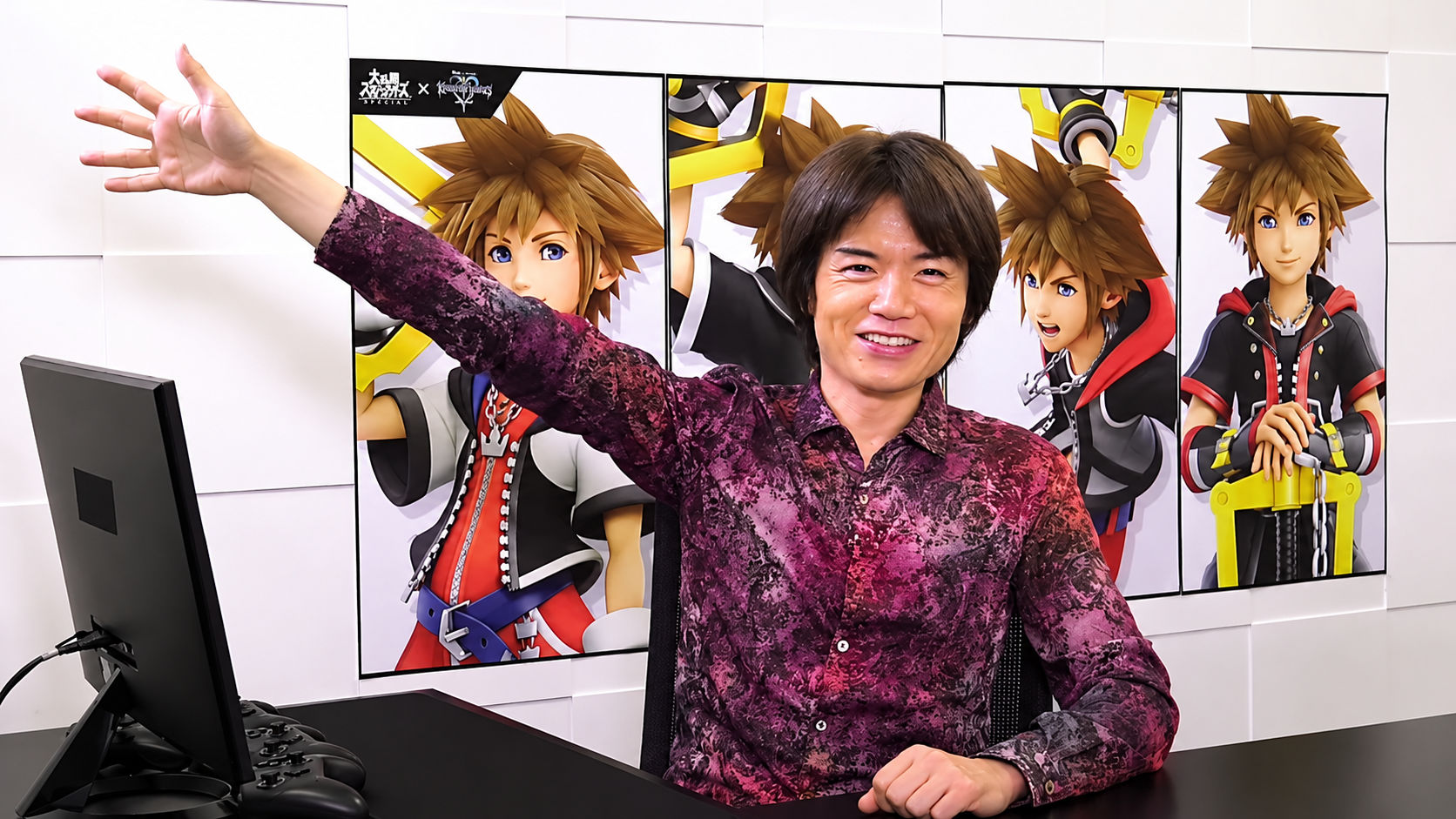
Masahiro Sakurai, the creator of Super Smash Bros. and Kirby, believes artificial intelligence could dramatically increase the number of games released on Steam. However, he also argues that developers capable of producing genuinely original ideas will become increasingly valuable as the market grows more crowded.
During an interview with Japanese gaming outlet Denfaminico Gamer, Sakurai discussed how the number of games released on Steam has changed over the years.
When he established the Game Designers Award in 2010, approximately 275 new games were released on Steam annually. That figure has since grown to nearly 19,000 titles per year, according to the figures discussed in the interview.
Sakurai expects the number to continue increasing, particularly as AI tools make game development more accessible and allow creators to produce projects more quickly.
AI Could Make Game Development More Competitive
While AI may accelerate production, Sakurai believes the growing number of releases could make commercial success increasingly difficult.
With thousands of new games competing for attention, players may struggle to discover and keep track of available titles. Developers could consequently face greater challenges in distinguishing their projects from similar releases.
Sakurai also suggested that many AI-assisted games could rely heavily on existing concepts rather than introducing entirely new gameplay ideas.
He highlighted Librarian: Tidy Up the Arcane Library, a game centered on organizing scattered books in a fantasy library, as an example of a concept that can inspire numerous variations.
Similar ideas could involve arranging supermarket products, returning screws to their correct positions, or searching for hidden objects.
According to Sakurai, AI could reproduce these established gameplay structures relatively easily by changing their themes or settings.
Original Ideas Could Become More Important
Despite his concerns about AI-generated content, Sakurai believes human creativity will remain essential to the industry’s future.
He pointed to game designer Fumito Ueda, known for his distinctive creative approach, as an example of someone whose future ideas may be difficult for AI to anticipate.
Although AI could study Ueda’s previous works and imitate recognizable elements, Sakurai questioned whether it could independently predict what the developer might create next.
For Sakurai, this distinction highlights the importance of originality. While technology can help reproduce familiar formulas, creating an unexpected concept requires a different kind of creative thinking.
As AI continues to influence game development, Sakurai’s comments suggest that the industry’s biggest challenge may shift from simply producing games to creating experiences that stand apart from an increasingly crowded market.











Leave a Reply