
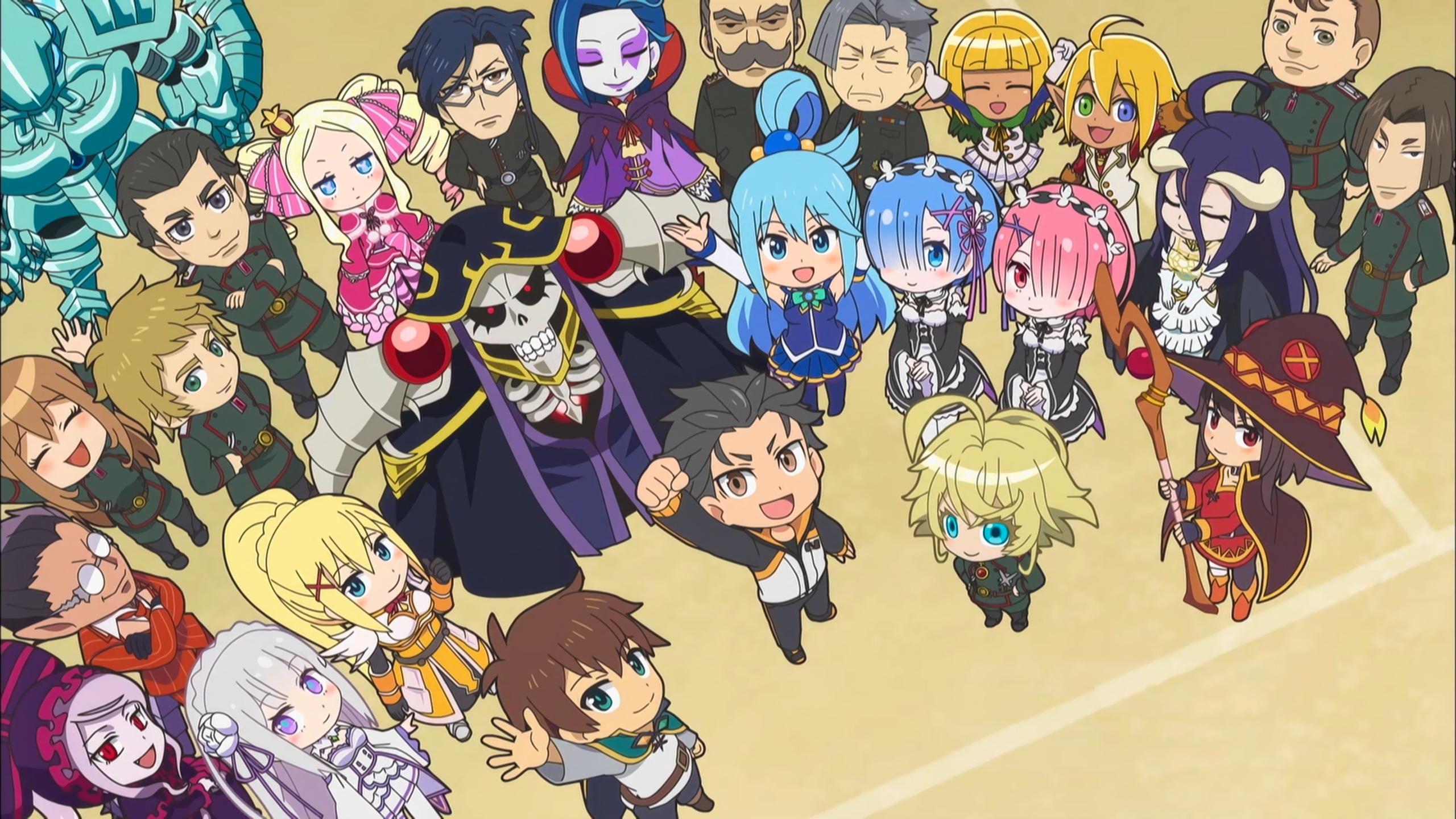
Japan’s anime industry is currently facing what many observers describe as an increasingly severe overproduction crisis, with more than 300 anime series now being produced every year.
The situation became especially noticeable during the Spring 2026 anime season, which alone featured over 80 new anime titles. The massive number of simultaneous releases has reportedly left many viewers overwhelmed and struggling to keep up with the constant stream of new shows.
According to analysis published by Magmix and later referenced by Japanese media discussions, the rapid expansion of anime production is beginning to create long-term concerns regarding overall quality, originality, and sustainability within the industry.
One of the biggest criticisms focuses on how studios are increasingly relying on:
- formulaic isekai stories
- familiar adaptations
- and remake projects
rather than investing heavily in completely original productions with higher creative risks.
Many fans and commentators believe this trend is making it harder for truly standout “masterpiece” anime to emerge compared to previous decades, when seasonal lineups were smaller and studios could focus resources on fewer productions.
The issue has also reignited discussions surrounding:
- animator workload
- production scheduling problems
- declining staff availability
- and the growing dependence on outsourcing
Because so many projects are now competing for the same pool of animators, directors, and production staff, some industry analysts argue that the current system is becoming increasingly difficult to maintain.
At the same time, others point out that the modern streaming era has also encouraged studios and production committees to release more content than ever before in order to satisfy global demand from international audiences and streaming platforms.
Despite the criticism, the anime market itself continues to grow financially, especially overseas. This has created a complicated situation where demand for anime is stronger than ever, while concerns regarding creative burnout and oversaturation continue rising inside the industry.
Some viewers also argue that while there are indeed many repetitive isekai and remake projects, the larger number of productions can still occasionally allow hidden gems and experimental works to find audiences that might not have existed in the past.
Still, many fans agree that the current seasonal anime landscape has become increasingly difficult to follow, especially as new titles compete for attention every single week across dozens of streaming services and media platforms.










Leave a Reply