
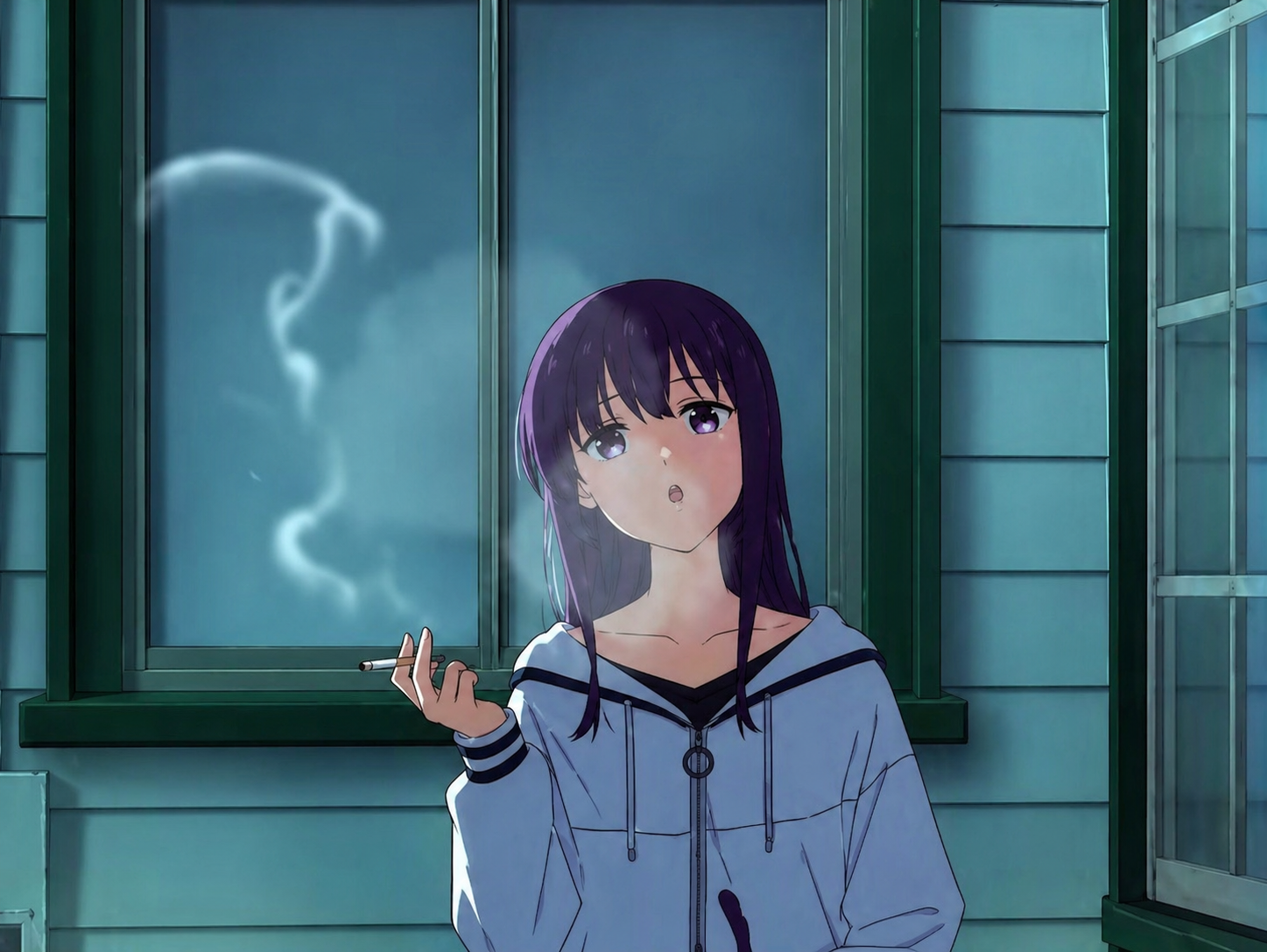
The ongoing yuri anime Kamiina Botan, Her Drunken Appearance is Like a Lily (Kamiina Botan Yoeru Sugata wa Yuri no Hana) has sparked a lively debate among viewers, particularly regarding its noticeable shifts in visual style. Some audiences have quickly labeled these changes as a “downgrade,” especially when comparing later episodes to the earlier ones. However, that assumption may overlook the creative intent behind the production.
According to the original author, known by the pen name HEY, the anime adaptation deliberately gives animators the freedom to explore their own artistic identity in each episode. Rather than enforcing a rigid visual standard, the production team chose a more experimental approach. This decision allows different animators to leave their unique mark on the series, resulting in a constantly evolving visual presentation.
A key factor behind this approach is the absence of a Chief Animation Director—typically responsible for maintaining consistency in character designs and overall animation quality. In most anime productions, this role ensures that no matter how many animators are involved, the final output feels cohesive.
By removing this position, the Kamiina Botan team essentially opened the door for stylistic diversity, prioritizing expression over uniformity.
This creative gamble becomes especially apparent in Episode 3, where the visual transformation is striking. Character designs shift, line work changes, and even the movement style feels distinct compared to the first two episodes. For some viewers, this can be jarring and disrupt immersion. Consistency is often associated with quality in animation, so sudden changes may feel like a step backward rather than an artistic choice.
On the other hand, there’s a strong argument in favor of this method. Animation, at its core, is an art form, and giving creators room to experiment can lead to fresh and memorable results. This approach is not entirely new—certain anime projects and studios have occasionally embraced stylistic variation to highlight different moods, themes, or narrative beats. In the case of Kamiina Botan, the shifting visuals could be seen as a reflection of tone, emotion, or even the characters’ internal states.
Ultimately, whether this decision is successful depends on the viewer’s perspective. Those who value consistency and polish may find the changes distracting, while others who appreciate artistic freedom might see it as a bold and refreshing move. What’s clear is that labeling it simply as a “downgrade” misses the bigger picture.
So, is this a creative breakthrough or a risky misstep? The answer likely sits somewhere in between—and that’s exactly what makes the discussion around Kamiina Botan so interesting.







Leave a Reply