

The contrast you’re noticing isn’t accidental—it’s the result of how the anime merchandise industry has been shaped over time. Fans have debated this for years, especially when comparing how female figures are posed and sculpted versus their male counterparts.
The Market Behind the Designs
At its core, figure design follows demand. A large portion of high-end anime figures has historically been marketed toward collectors who favor stylized, idealized portrayals of female characters. That often translates into poses, camera angles, and outfits that emphasize body lines or specific features. It’s less about realism and more about selling a particular aesthetic that the target audience finds appealing.
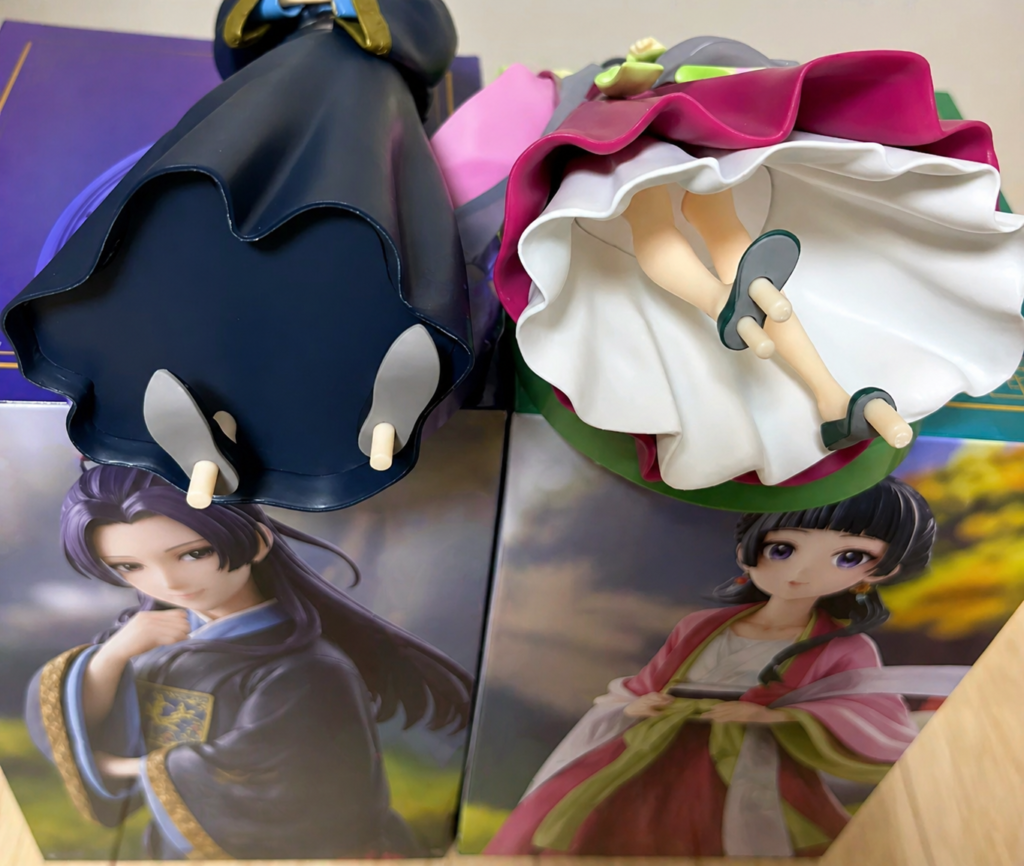
Male figures, on the other hand, are usually marketed differently. Instead of focusing on physical exposure, they tend to highlight personality, status, or power—dynamic poses, weapons, or iconic scenes. The appeal is framed around character identity rather than physical display, which leads to more covered and composed designs.
Character Context Sometimes Plays a Role
There are cases where story context influences how a figure is presented. For example, a character like Jinshi is known for carefully controlling how others perceive him. His reserved, concealed appearance ties directly into his narrative role, so even merchandise tends to reflect that restraint.
However, it’s important not to overstate this factor. While story can influence design, it usually comes second to broader marketing strategies.
Industry Habits and Visual Language
Another reason this pattern persists is tradition. The anime figure industry has developed a kind of “visual language” over decades. Female figures are often designed to be visually eye-catching on shelves—flowing hair, curved poses, and yes, sometimes more revealing elements. Male figures, meanwhile, lean toward stoic or action-driven presentation.
Once these patterns become standard, they reinforce themselves. New products follow what has already proven to sell.
The Double Standard Debate
This difference is exactly why the topic keeps resurfacing in fan discussions. Many people point out that it creates a clear imbalance: one group of characters is frequently objectified, while the other is portrayed more conservatively.
At the same time, the market is slowly diversifying. There’s growing demand for:
Male figures designed with the same level of visual allure
Female figures that emphasize strength or personality over exposure
More balanced representation overall
Some manufacturers have started responding, but change in this kind of industry tends to be gradual.
So Why Does It Keep Happening?
Because it works—at least from a business perspective. As long as certain designs continue to sell well, companies have a strong incentive to stick with them. That’s why the conversation doesn’t really end; it evolves as fan expectations shift.
If there’s one takeaway, it’s this: figure design isn’t just about the character—it’s about who the product is made for, and what that audience is expected to value.




Leave a Reply