Over the years, the manga industry has occasionally faced controversy when well-known creators became involved in criminal cases. These incidents have sparked intense debate among fans, publishers, and industry observers about accountability, rehabilitation, and how companies should handle creators with legal histories.
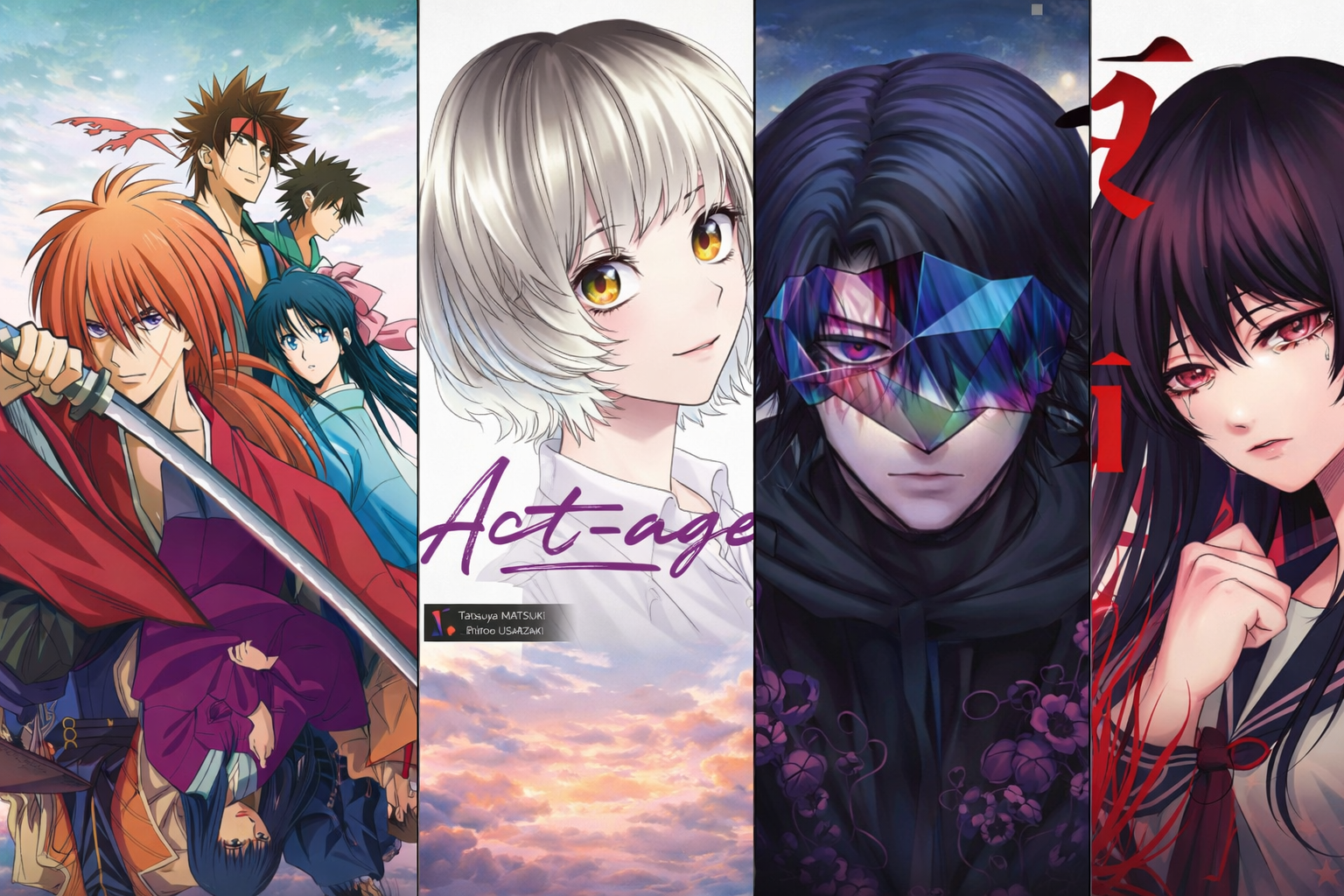
One of the most widely discussed cases involved Nobuhiro Watsuki, the creator of Rurouni Kenshin. In 2017, authorities discovered illegal material involving minors at his home. The case resulted in a fine under Japanese law at the time for simple possession. Despite the controversy, serialization of Rurouni Kenshin: Hokkaido Arc resumed in 2018. The situation sparked debate about whether creators involved in criminal cases should be allowed to continue publishing major works.
Another frequently cited example is Mitsutoshi Shimabukuro, who was arrested in 2002 for violating Japan’s child prostitution laws. He later received a suspended prison sentence. Several years afterward, he returned to the manga industry and eventually created the popular action series Toriko, which ran from 2008 to 2016 in Weekly Shōnen Jump. His comeback remains one of the most notable examples of a creator rebuilding a career after a criminal conviction.
A more recent controversy involved Tatsuya Matsuki, the writer of Act-Age. In 2020, he was arrested and later convicted for committing indecent acts involving minors. The incident led to the immediate cancellation of Act-Age, despite the series’ popularity at the time. The case highlighted how quickly publishers may act to protect their reputation when scandals arise.
Discussions about industry oversight resurfaced again when reports suggested Matsuki had later worked under a different pen name on a separate project, prompting questions about editorial transparency and whether previously convicted creators should be allowed to reenter the field anonymously.
Other incidents involving manga artists have also drawn attention in recent years, further fueling ongoing debate about responsibility within the creative industry. These situations often leave publishers balancing several difficult questions: how to respond to public backlash, whether creators can rehabilitate their careers, and how to protect readers and victims while maintaining creative freedom.
Ultimately, controversies surrounding manga creators reveal deeper challenges within the industry. As manga continues to grow globally, publishers are under increasing pressure to address ethical standards, transparency, and accountability while navigating the complex realities of the creative workforce.