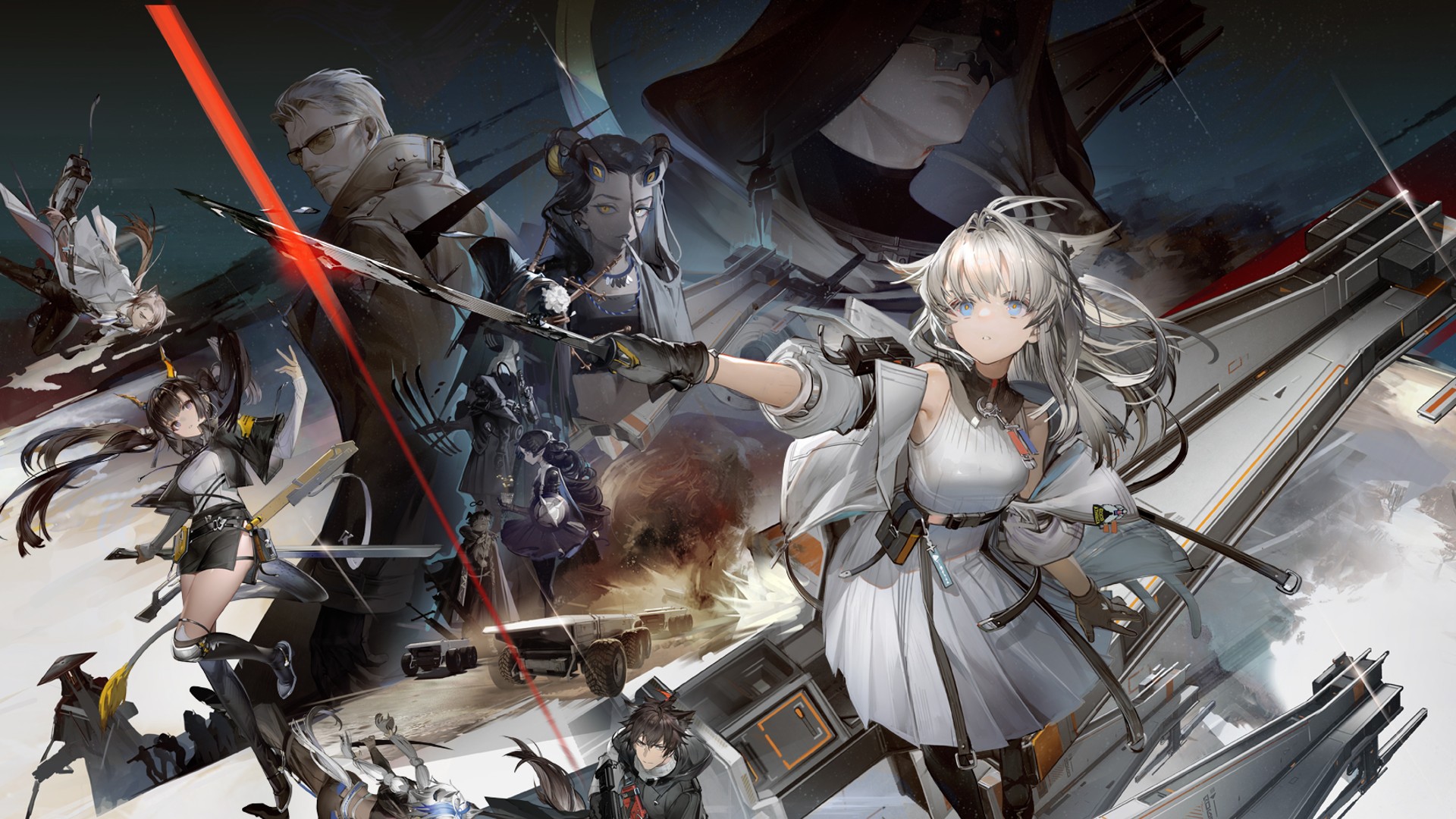
The growing use of artificial intelligence in the gaming industry is becoming a serious concern, particularly in China. Recently, viral content on social media has showcased characters from popular titles like Arknights: Endfield and Wuthering Waves using AI-generated voices and identities without official permission. This trend has sparked debate over the boundaries of technology, creativity, and legal rights.
In response to this issue, a Shanghai-based voice acting agency, Shanghai Qixiang Tianwai Cultural Media Co., Ltd., has released an official statement addressing the increasing number of AI-related violations in the industry. The agency emphasized that the voices, identities, and personal rights of voice actors are legally protected and should not be replicated or manipulated without proper authorization.
According to the statement, the use of AI technology to imitate a person’s voice without consent is considered a serious violation. This applies not only to commercial usage but also to non-commercial content, including fan-made videos or experimental projects. The agency made it clear that it is prepared to pursue legal action against any confirmed cases of infringement.
The company also highlighted that such misuse of AI is no longer isolated. Instead, it has become widespread and is growing at a concerning rate. With rapid advancements in AI voice synthesis, it has become easier than ever to recreate voices that sound highly realistic, making it difficult to distinguish between original performances and artificial imitations.
This situation introduces new challenges for the gaming and entertainment industries. One of the biggest concerns is the potential threat to the profession of voice actors. If AI can replicate voices convincingly, it may reduce demand for human talent, impacting careers and creative livelihoods. Additionally, the unauthorized use of character identities raises serious intellectual property issues, especially for game developers who invest heavily in building unique worlds and characters.
Content creators are also facing increasing risks. While some may use AI tools for creative expression, doing so without proper permissions can lead to legal consequences. Many creators may not fully understand the boundaries of AI usage, which makes clear regulations and public awareness even more important.
Ultimately, this issue goes beyond technology. It reflects a broader conversation about ethics, copyright, and the protection of creators in the digital age. As AI continues to evolve, industries must find a balance between innovation and responsibility.
The rise of AI-generated content presents exciting possibilities, but it also demands stricter guidelines and accountability. Without proper safeguards, the misuse of such technology could harm not only individuals but also the integrity of the creative industry as a whole.