
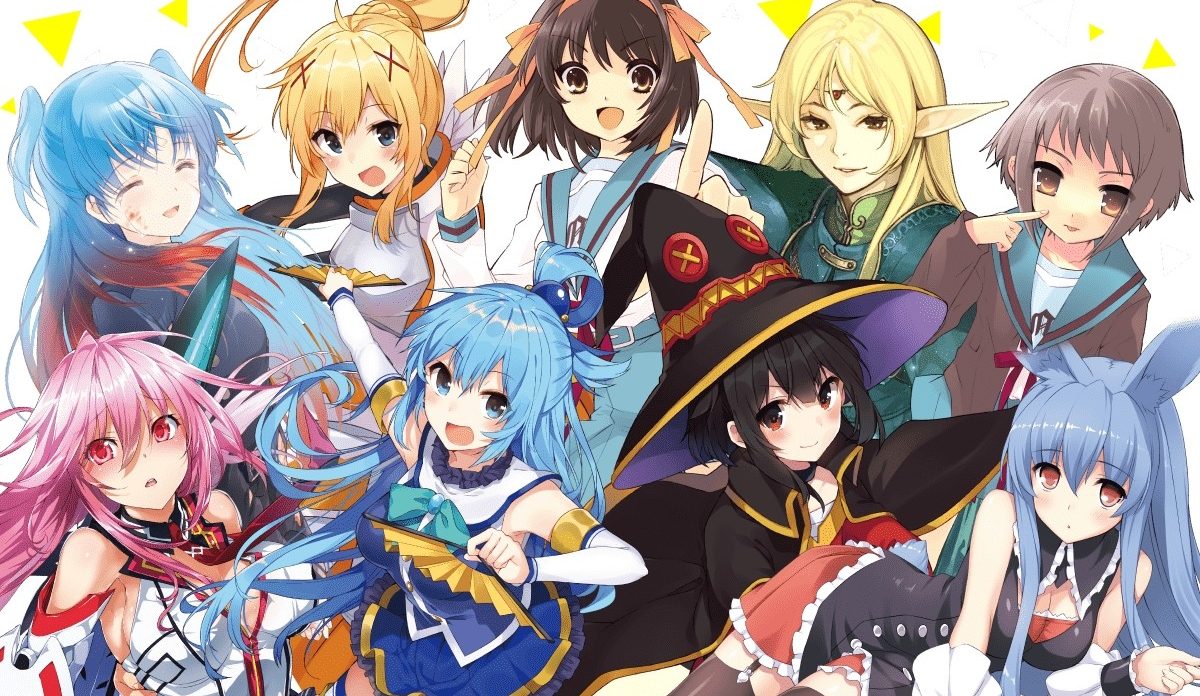
Kadokawa Corporation, one of the largest anime and manga companies in Japan, has reported a significant financial downturn in its latest earnings results.
According to the company’s recent financial statement, operating profit dropped by nearly 60% year-on-year, falling to approximately $41.8 million. The decline reflects mounting challenges within its core entertainment segments, particularly anime and film production.
Anime and Film Division Records Operating Loss
The most notable concern came from Kadokawa’s anime and film division. After generating around $30.8 million in operating profit last year, the segment has now posted an operating loss of approximately $5.9 million.
This sharp reversal highlights the volatility of the anime production business, where returns are heavily influenced by title performance, franchise strength, and audience reception.
Shift Toward New Original Titles
Kadokawa attributed the downturn largely to its strategic shift in content focus. Instead of prioritizing sequels to proven blockbuster franchises, the company invested more heavily in new original projects and first-time adaptations.
In previous years, strong financial performance was supported by established hit series such as:
Re:Zero − Starting Life in Another World
Mushoku Tensei: Jobless Reincarnation
Overlord
KonoSuba: God’s Blessing on This Wonderful World!
Oshi no Ko
These franchises have historically delivered strong disc sales, streaming revenue, merchandise performance, and global licensing deals. By comparison, new intellectual properties carry higher uncertainty, requiring greater upfront investment without guaranteed returns.
The Financial Risk of Original IP Development
Kadokawa’s results underscore a broader reality within the anime industry: sequels and established franchises often provide financial stability, while original works present higher creative and financial risks.
However, investing in new stories remains essential for long-term growth. Without fresh intellectual properties, companies risk over-reliance on aging franchises. The challenge lies in balancing innovation with financial sustainability.
Industry Implications
Kadokawa’s performance serves as a case study in the evolving economics of anime production. As global demand for Japanese content continues to rise, competition intensifies and production costs increase. Companies must carefully weigh the short-term safety of sequels against the long-term value of developing new hit franchises.
While the current downturn raises concerns, it may also represent a transitional phase as Kadokawa reshapes its content strategy for future growth in the global entertainment market.












Leave a Reply